
Listen on:


 Transcript This Audio
Eric Lawrence (00:43) Hey everyone. Welcome back to Tales from the Pros. I'm Eric Lawrence, Director of Growth at Imaginovation and I am flying solo today with a guest I've been looking forward to. Robert Levitan has spent three decades building technology companies. He's co-founded iVillage in the earliest days of the internet. He's launched six companies and he's lived every outcome a founder can live. So think an IPO, a bankruptcy, and a sale to Microsoft.
Today, he's co-chair of the ethical tech project, helping companies deploy AI responsibly. And he's making an argument. can't stop thinking about that AI is headed toward a moment that will reset how the public holds companies accountable. comes from a real event in American history. And I'll let him tell that story for himself. So today we're getting into his founder journey, what the early internet taught him that the AI industry is repeating now.
And why trust, not technology is the real bottleneck for every business deploying AI. So please welcome Robert Levitan. Robert, it's great to have you on the show.
Robert Levitan (01:47) Thank you, thank you for having me. Excited to have the conversation.
Eric Lawrence (01:50) Same here. And I think we can just jump right into it. If you want to give our listeners just a little bit of background into your journey. I know I mentioned it there that founded six companies
Robert Levitan (02:01) Yeah, no.
Eric Lawrence (02:02) and you've experienced the full range of motion. Can you give us that high level version of what you went through professionally that landed you to where you are today?
Robert Levitan (02:12) Sure. I'm going give you the quick summary and the quick big insight from all of it. Yes, I'm an entrepreneur. I've started six companies in the late 90s, had high profile billion dollar IPO. And then I had a high profile bankruptcy in cryptocurrency 12 years before Bitcoin. I've sold a company to private sale to Microsoft. One thing is constant. You know, when you deploy new technologies,
There are always unintended consequences. And you know, the first company, iVillage, it was an online community and we thought, well, this is going to be great. We're going to connect people. They're going to share information. They're going to support each other. What could possibly go wrong? Hello, social media takes it to the next level. And it turns out a lot could go wrong, really wrong. Right? So that's all relevant to this moment in AI.
I mean, we are on the precipice of that next technological wave transforming everything. But this wave is coming on top of the internet, on top of mobile. And everybody knows it's different. It's not just a technology, it's intelligence, right? We're mass producing intelligence and we're making it available to people in a hyper connected world. And there's a lot that can go wrong. By the way,
It's intelligence. It's not wisdom. Whole nother thing, which is where humans come in. But I am a history major, actually history and public policy. And that combined with these 30 years of tech industry startups just led me about a year ago to say, my God, I know exactly what's going to happen. You know, like
We've seen this movie. You think it's going to do this, but it does this and we're not prepared. And so what could we do differently?
Eric Lawrence (04:08) Hmm.
Robert Levitan (04:09) And the answer is we just need to think ahead a little about what could go wrong, not slow down the innovation, but concurrently think about what could go wrong and why. And I'm to get to our story that you're talking about. Why? Because when it goes wrong, if you're that company that it happens to.
You're out of business.
Eric Lawrence (04:31) Yeah.
Robert Levitan (04:32) AI has the potential to explode your company in a great way and to blow up your company and explode it in a bad way. Okay. Now in thinking about this and thinking about history, happened to be walking in New York in Greenwich Village and I walked past the building that is now owned by NYU.
And I remembered from history, there was a terrible fire at a building. And this is when there were sweatshops. was 1911. The building then housed what's called the Triangle Shirtwaist Factory.
Eric Lawrence (05:15) Yeah.
Robert Levitan (05:17) And there was a terrible fire and people were crammed in there. The doors were locked because they didn't want people to leave the building.
And this fire happened and there had been kind of industrial accidents, things like that. But what happened in 1911 in New York City really shocked people because 146 people lost their lives in the span of 15 minutes. Burned to death, jumping out the ninth floor window, holding on to the ledge and people just watched and there was nothing they could do. Now these were mostly women, mostly immigrant women.
many of them teenagers or younger. There was no child labor laws, there's nothing. Well, as you can imagine, this impacted society. Okay, we've got the industrial revolution, it's happened, we've got factories, but this shocked people. And it shocked people so much, there was a court case.
In the court case, it was determined that the owners locked the doors. But in the court, they couldn't prove that they did it intentionally. Maybe they left the doors unlocked. Anyway, so they got off. There was no liability. So 146 people lost their lives. They ended up paying each family $75,
Eric Lawrence (06:46) Wow.
Robert Levitan (06:46) even in today's dollars.
That's not a lot for human life.
Eric Lawrence (06:49) No.
Robert Levitan (06:51) So the public reaction, and this is where I think we're going with AI, the public reaction to that is what led to every kind of workplace safety rule we have. No child labor. They started with reducing the work week to 54 hours. Now it's 40 hours.
They started saying you can only have so much density. They started saying you had to have fire escapes. They started saying, you you can't have flammable materials. You have to have sprinklers, et cetera. Well, guess what? We don't have AI federal regulations in the U.S. and we're not going to get them anytime soon. So what I'm afraid of is we're going to have our triangle shirt waste factory moment and not a moment where AI causes a really bad outcome where somebody dies by suicide. That's a bad outcome.
we're going to have a bigger moment like that fire where
Eric Lawrence (07:47) Mm.
Robert Levitan (07:49) maybe thousands of people lose their money in a bank that has an AI agent go rogue and something causes their accounts to get drained. Or a healthcare company provides diagnosis and it's wrong for thousands of people and they don't get the treatment they're supposed to get. Or
you know, he count all the ways things can happen. Some incident of bias or fake news or something, disinformation ends up causing a mass riot and people lose their lives.
Eric Lawrence (08:20) Mm.
Robert Levitan (08:22) And what's going to happen is we're going to turn around and we're going to say, well, of course we can't have that happen. We need to have rules, guidelines around these things. So.
My whole message to companies is don't be that factory owner, right? Don't be the person.
Eric Lawrence (08:38) Yeah.
Robert Levitan (08:39) If you know something could go wrong and people could get really hurt, don't be that person. But I'm not telling you don't be that person because it's the right thing, it's ethical. I'm telling you because it's good for your business. To me, responsible AI and being thoughtful is a competitive advantage. Okay? We live in a world where people are equally excited about it.
potential of AI and the fear of AI. Well, when that happens, what's the number one problem for the AI industry? It's called trust. And this is where Anthropic is crushing it, right? Anthropic elicits more trust because they have their constitutional principles on how we'll use AI.
Eric Lawrence (09:20) Yeah.
Robert Levitan (09:21) Well, beyond that, because they have that, they're people internally and externally, they actually implement things. It's like they're considered more
reliable and trustworthy for business partners to work with, Anthropic, than others. And it works. So I'm telling companies, be that company.
Eric Lawrence (09:40) Interesting. I'm
Robert Levitan (09:41) That's what we're trying to do.
Eric Lawrence (09:43) Yeah, I'm it's interesting that through your own understanding of history and being an expert within that space, you've noticed from the compliance side of things, that it's a little bit of the Wild West, right with AI, it's a bit of an arms race, we're upgrading models, you know, you have your big players out there, open AI, anthropic, have Gemini that's fighting there as well. What
In particular, was there like any aha moment that you had when you were just observing everything that's going on in AI that you said, we're heading towards a really bad situation.
Robert Levitan (10:18) Well, two moments, mean, you know, one was Grok nudifying, you know, children images. I mean, that was a real moment. I don't know if you remember it. Who knows? In internet time, it felt like yesterday. It might have been six months ago, but it wasn't more than a year ago, right? It's in the past year.
Eric Lawrence (10:39) I've definitely remembered when Grok, they pushed some update and it was, it was
Robert Levitan (10:44) Right.
Eric Lawrence (10:44) spouting some crazy things.
Robert Levitan (10:46) Well, you know, everybody, everybody has AI image generation now. And what's interesting is that Grok put out, not only put out a version of their AI that could take child's faces and put them on nudified sexual images, but it turns out apparently there were articles that, you know,
like there were people working within some of Musk's companies like lending content to this. weird stuff. Bottom line is they do this and there's an uproar. And they then say, okay, we're going to put it behind a paywall. So this is really interesting. If it's by the way, it's illegal to take an image of a child or a child's face and put it on a nude image and display it. Okay. In public.
Right?
Eric Lawrence (11:36) yeah.
Robert Levitan (11:36) That's against the law. So it's unethical and illegal. Putting it behind a paywall, I'm not sure that makes it legal. I don't think so. you
Eric Lawrence (11:43) No, no, yeah.
Robert Levitan (11:44) know, legal aside, that was a clear example of this is just how bad AI can be. And fascinating, no other company allows you to do it. Gemini, know, chat GPT.
Microsoft's AI, they will not allow you to do that. Anthropic Cloud will not allow you. In fact, funny story just because it is about the stories, the real world stories. I'm sitting in a diner with my 15 year old son a few months ago and next to us there's a bunch of people talking about, yeah, we had this great trip and da da da da. And we sent all these great photos to the grandparents, our parents and.
the kids' grandparents and we showed them images of the kids on the trip but also on the moon and da-da-da-da-da. And then one of them said, yeah, but you know what? Gemini wouldn't let me take my child's image and put them in a different outfit and put them on the moon. Not allowed to change clothes on
Eric Lawrence (12:43) Hmm.
Robert Levitan (12:43) us. Think about that. Somebody at Gemini, somebody at Google thought about, well, we better be careful.
Eric Lawrence (12:52) Yeah. And I do know that
AI in a lot of ways with my wife being a photographer, she's tried to use AI to be able to edit some photo shoots where maybe it's, is, Hey, I want to use this kid's face from this image, but put it on this still from another one because they're smiling in this one, but they're not, but they're everybody else is smiling in that one as well. And there,
Robert Levitan (13:17) Right, right,
Eric Lawrence (13:17) there are definitely some,
some hurdles that you run into when you do things like.
Robert Levitan (13:22) Right,
and you know what? We have to figure it out. Meaning, we've got to figure out what's the happy medium between staying responsible and accountable, but letting the tools do everything can do. But what I would say to you is having, whether it's the marketplace enforces because most of the companies won't do it and only Grok does it, or whether it's the government that provides guidelines, having these things like...
limiting the nudification of people's images and certainly children, that's not going to hurt us in innovation. That's not going to hurt us competing against China. We can do that. I think the other argument, so know, you don't want to slow down innovation, don't want to compete. The other argument is, well, whatever you pass, the technology is moving, whatever kind of guidelines you put in, it's too competitive, it's moving too fast. Yeah, yeah, yeah.
We have to recognize that we're to have to revisit whatever best practices are. We're going to have to revisit any regulations, you know, and obviously the classic example here lesson learned. was there when section 230 was implemented. Everybody talks about section 230 social media. You know, like, oh, you know, a platform can't, uh, you know, edit or change, which is really what it was originally can't edit or change a post-it.
Eric Lawrence (14:42) Yeah.
And for our listeners, what is section 230?
Robert Levitan (14:45) Okay,
let me explain this. And actually, I'm going to set it up with a history lesson because this is so important to the internet and so important to our concept of free speech on the internet, yet it is very much misinterpreted because I was there. I'll tell you the intent and it's a little different than the way it's used now. So I was at iVillage. We had what was then called a
chat rooms and message boards and people were talking to each other and putting up messages and sharing information and frankly, it was growing so fast. It was happening so fast and we couldn't keep up with it. But every now and then we read something bad and we say, well, that's what we got to take that down. And then lawyers started thinking, you know, you start curating this forum, then are you responsible legally for everything that happens? And indeed,
It became apparent to a lot of people building online communities, like once you kind of curate and take editorial responsibility, then you're legally responsible for what people are saying. So what happened is not that the early internet pioneers spent a lot of time in Washington, but got to enough people and said, look, Washington government, here's this fledgling industry, this little industry that's trying to build. It needs some protection.
It needs to experiment. So they passed the digital copyright act or digital act of 1996. In 1996, they pass an act and they basically say in section 230 of this act that if you're an online platform and people post things that you're not going to be held liable. Now you can still have rules. So you have rules that people can't say something that you don't.
one up there if it's hate speech or whatever or threaten people and you can take them off. But you can't really tinker with what's put up there. Well.
So a couple of important things. Not only was it passed in 1996, it was passed at a time when internet companies were really, really, really, really small. The big media companies were the monsters. And the idea was give these little companies some protection to flourish and experiment. you know, because guess what? Every big media company used to be at least, you have a TV station or a radio or a newspaper or magazine, you're held responsible for everything you put up there.
You know, that's your editorial content. But they were the big boys. Well, guess what? The fish ate the whale. Meaning, the little internet fish became the whale. And
Eric Lawrence (17:20) Yeah.
Robert Levitan (17:21) now, know, whatever, social media companies, online companies, whatever, they are so much bigger than the traditional media company. In those days, it was different. And the idea was that Section 230 and this whole act, this digital act of 1996, would be revisited.
as conditions changed and what else changed? Not only did the big companies get big and more powerful, but the technology changed. The technology
Eric Lawrence (17:45) Yeah.
Robert Levitan (17:46) now exists that you can monitor what's being posted and you can take down things that you know are factually wrong. But what happened, of course, and especially in the world we live in now where it's hard to know what the truth is, is, you know,
It's not in Facebook's interest to take things down that are creating rage and engagement.
so exactly, get it. So
Eric Lawrence (18:47) Yeah, that's what fuels the engine for getting people hooked and staying on here.
Robert Levitan (18:52) even if they know, even if they know, look, this is going to cause a lot of hatred, a lot of craziness and it's factually incorrect, but you know, Hey, section 230. No, no, no, that's not what it was supposed to be. You know what I mean? And
I was even in a class where someone was saying, well, Section 230 was passed to protect free speech online. No, it wasn't. That's not what it was. You know what I mean? So what's happening, though? So history lesson number three or four here.
You know, YouTube, Meta, they were just found liable in a court case, right, in several court cases about defective products. I don't know if you read about this or you know about this. was... Okay, look it up as we
Eric Lawrence (19:45) I've heard with meta, just specifically with meta.
Robert Levitan (19:49) speak. know, Meta and YouTube, in the last few months, were found guilty of...
kind of knowing they had a defective product and not fixing it. Knowing they had a defective product that was causing harm and not fixing it. Now, this may escape people because we're so busy. This is a big deal. Did you find it? You're looking it up as we speak?
Eric Lawrence (20:10) No, I've just
heard with Metta that there's lawsuits out there that basically
Robert Levitan (20:16) Well.
Eric Lawrence (20:16) rival the valuation of the company itself. But
Robert Levitan (20:20) Well,
guess what? We're heading towards our tobacco company moment. Okay. I hit you with the triangle shirt waste factory moment. Then there's the tobacco moment, right? haven't written about this one yet. You get in the scoop before any.
Eric Lawrence (20:34) I'd love to hear it.
Robert Levitan (20:36) The tobacco moment is this. There was always talk that maybe tobacco is not good for you, but the cigarette companies were no, no, it's fine. It's fine. It's fine. And they.
promoting as everybody was is very glamorous. It's fine. It's fine. It's fine Well, what happened is it was discovered that the cigarette companies had indeed done their internal research and they knew it was Addictive and really bad for your health and yet they didn't tell anybody and they didn't do anything bad So then what happened? Well, then they said, you know what you're do on every box. You're gonna put this will kill you
Eric Lawrence (21:15) Yeah.
Robert Levitan (21:16) And we're going to tax it out the wazoo and we're going to do education to tell people not to smoke cigarettes. Okay. So, and by the way, those people who knew, you know, we're going after them legally. So this is happening now in technology and particularly in social media. So it took 30 years for us to learn that social media has impact. It took probably 40, 50 years to learn nicotine.
smoking had an impact. What we didn't know and the reason why Metta and YouTube were found guilty in this case is it turns out there's a lot of internal studies and information that they knew that what they were doing were causing some really bad outcomes, causing people to do things. And that's when you mentioned courts.
That's when the courts now, know, the absence of federal regulation, the courts may end up being the first ones to impose any guidelines on AI. And that's what we're seeing happen. And in fact, you know, it is fascinating because at the Ethical Tech Project, one of the things we do is we try to, well, we teach a fellowship program where we have people and we meet with them over a 10-week period, two hours.
every Thursday night for 10 weeks and we talk about all these things. So we study the Facebook algorithm and we study over 10-year period 10 changes made to the Facebook algorithm and we talk about what was the intended, what was the goal, what was the intended you know purpose and what was the result. And it's interesting if you look at it, it all makes sense one at a time. Stacked on top of each other? So the first
major algorithmic change they made was instead of your feed being chronological, it would be engagement based. Sounds perfect
Eric Lawrence (23:15) Mmm.
Robert Levitan (23:18) at the time. mean, yeah, you know, like if people are coming to Facebook and they have a friend and they want to see what they're writing about, let's put it at the top or whoever, whatever that person posted that has the most engagement, not the most recent, because you know, don't want to go through stuff. Long story short, then, you know, they later on they added video.
is a thing, you know, and whatever, they keep adding things. And I actually made the point in this class, the ethical tech project fellowship class, said, look, I've been an entrepreneur, I've been there. I don't think they intended anything bad when they made these tweaks. They were just trying to create a better product.
Eric Lawrence (23:52) Yeah, they're just trying to improve the user experience.
Robert Levitan (23:55) Yeah, they're not villains, they weren't villains. The problem is after, you know, all these algorithmic tunings and all the
data they have, now they know. Yeah, we've created something that's a lot more engaging, but we've also created something that, you know, in parts of the world, people are killing each other because we're amplifying messages of hatred that are, know, so, and now they're going to be held accountable for that. So very, very, very interesting. And I think
You know, it's also switched, I'm not gonna say what company, but one of these really big companies that had people in our class admitted, yeah, you know, we know that our audience can't handle what we produce. Like, we can put out stuff that we know is gonna cause certain behavior. And now we're more aware of it because of these court cases.
Like because of these two court cases that recently happened where it's kind of been stated by a court and the penalties haven't you know, announced yet or whatever, maybe they have announced, I think they have announced, but other tech companies are now learning like, yeah, yeah, yeah. If we know it's causing a bad outcome, we have some responsibility for it. Well, hallelujah. I think that's right. I mean, and I think we're going to get there with AI.
And I think hiding behind, hiding behind, look, it's just moving so fast, nobody knows what's going to happen. It could be great. It could be bad. Yeah. Let's just see what happens. Even the federal government and this administration that had sworn there'll be no federal regulation. There'll be no control. And if any state does it, we're coming after you. Even they woke up. So what was the next moment? I mentioned the first moment was moments where a grok and new defined images.
The next moment that kind of woke me up like, yeah, yeah, yeah, things are changing here. You can really see it was mythos, From Anthropic. That's another moment.
Eric Lawrence (25:56) yeah, they shut it down.
Robert Levitan (25:58) It's going to go down in history. Why? It was really the first time I think the federal government, I don't know, I'm not in the government. Okay. But it was the first time the federal government said, you know what? Forget about this ideological bullshit that we can't do anything, even though we're elected to.
like number one priority, maybe provide safety for people, but forget the ideology. And our friends in big tech, holy shit, this stuff is gonna hack in our systems. This stuff is a security risk to the United States government. And I think they all knew that was coming, but I think they have connections to people in the industry and they.
people in charge who are from the industry who basically, know, just no regulation, nothing, we have to compete against China. Well, guess what? China is not leaving their people to do whatever they want.
Eric Lawrence (26:52) Yeah.
Robert Levitan (26:53) but anyway, the fact is mythos changed and you'll read about it. And this is in the last month where the federal government said, you you need to show us these models before you release them. We need to see them.
and we need to understand them before you put them out. So that's a recognition of a bunch of things. Now, whether they did it because they believe they're public servants trying to protect the public, and that's their job as elected officials, or whether they did it because, you know, we like being in charge and this stuff is really bad and maybe we have a lot of business interests, we want to see this before it attacks our businesses. Who knows? You know, I'm not...
Eric Lawrence (27:40) It's not our job to guess there but
Robert Levitan (27:39) But the range of possibilities, who
knows why these guys, but all of a sudden the federal government wants to see your AI model before you put it out there. And that is a recognition that AI can be really bad. Something really bad can happen and we need to be thinking how to mitigate it. So, so now you're going to see a models that the federal government says, okay. And all.
And by the it wasn't just the federal government. You know what they did, right? I mean, you read about this. They called together like the largest banks and some of largest businesses and said, you know, here's this new model and this thing is going to hack into all of our systems. And so before it gets released publicly, that's all build defenses for this. And that's the recognition that, boy, you know, we're going to need to put some guidelines in. We're going to need to have some safety protocols around this stuff. can't just let.
these frontier AI companies release anything and everything and see where it lands. That's not going to be a good ending.
Eric Lawrence (28:41) You know what I'm interested in because we, we come from, you know, at imagine innovation, the, company that we're behind, we come from the perspective of when we're engaging with a lot of businesses, they want to leverage AI and, they want to build a tool that's going to integrate well into their business, maybe to make, you know, trend predictions. Maybe it's to automate work and
leverage the agentic side of things. There's a lot of things, but the whole idea is usually when they want to build AI, there needs to be the business case behind it. And
Robert Levitan (29:13) Yeah.
Eric Lawrence (29:13) a lot of times in the regulation and the compliance side, that's a little less sexy. It's a little bit harder to do that. With your company and with the project, what do you feel is the business case side of
Robert Levitan (29:28) I'm so glad you asked that because I'm going to tell you. I just started writing my thoughts, my historical perspective, my experience in entrepreneur on LinkedIn. I got invited to join the Ethical Tech Project and they asked me to be the co-chair. I got there and I said, well, this is great. I believe it's important to have these conversations, but we have no business model. Ethical
Eric Lawrence (29:48) Yeah.
Robert Levitan (29:49) Tech Project has no business model.
and we're telling people to do the right thing.
And as more I thought about it and talked to companies, I was like, you know what? Yeah, people should do the right thing, but that's not our right business model. Our right model is let's help them do it. And let's not help them do it because it's the right thing. Let's help them do it because it's a competitive advantage. And what I'm going to tell you is I've just seen the market is coming towards us. And what I mean by that, we're a nonprofit organization. mean, my work is volunteer work. Okay. I don't get compensated.
And, but the market's coming towards us. Why? The more you read about trust and trust in AI and the backlash against trusting AI, the more I know we are right. It's not about doing the right thing. If you're a CEO or you're a C-suite executive, any company now, yeah, you should be trying to deploy AI as fast as you can, but you better be thinking about how you do it in an ethical and responsible way. Why?
Because again, it can take your whole company down and it will happen back to our factory fire. Okay. Uh, if something goes wrong, you know, you're, you're talking about predictions, you know, and you make a prediction or your AI agent makes a prediction that something's going to happen. doesn't happen. And all of your customers say, well, I'm like, you guys were so far off. What was the, there's a bug in the AI because we had bad data. Why?
Eric Lawrence (31:24) you
Robert Levitan (31:25) Because.
We didn't source that data. We didn't check that data, you know, and it turns out that, you know, we don't care about trusted data. just suck in all the data we can and tell AI to interpret it. And then we do. Well, guess what? You're bad. Your company didn't think about being responsible about, we getting legitimate data from legitimate sources and, and, and confirming that before we make our predictions? Well, you're going to be out of business.
And
Eric Lawrence (31:54) Yeah.
Robert Levitan (31:55) if it gets discovered, not only that your AI made a mistake, but that it made a mistake because you didn't really know the provenance of the data you had. Well, then do I want to do business with you? Am I going to use your company again?
It can get much worse. You know, if you're a hospital, if you're in healthcare and your AI goes out of line. Now, one thing is the front end and the kind of two pillars of this is trusted data, data privacy, trusted data. You know, can you tell companies that what you're using your AI model is running on is reliable stuff. Okay. And you're taking all the intelligence of AI with all this data and adding your company's wisdom. Okay. That's great. But the other is AI.
And again, not sexy, but let me tell you something. Boy, boy, is this important. Why? Because proper AI governance has two important things at the front end and the back end. There's one important thing in the front, one on the back. And this is stuff that will help keep people safe, help keep AI aligned with the company, help mitigate risk, legal exposure, reputation. What are they? On the front end, what we teach people
is, okay, you're a company, you have a mission statement, you have a culture, you have values, you have ethics. You need to take those and just as Anthropic developed their constitutional principles, you need to have your AI principles, your ethical framework. This is what we will and won't do. And it has to be specific to your company, but also has to be specific to your industry. So obviously, if you're in healthcare or financial industries, you've got already some built in.
I would argue that healthcare has, you know, between HIPAA and the Hippocratic Oath and FDA, they're already some...
framework there. anyway, so
Eric Lawrence (33:45) Yeah.
Robert Levitan (33:46) on the front end, every company should be developing their ethical framework. Why? Not just so they know what they will and won't do, but also so that informs a governance plan that monitors their AI behavior and so it's transparent to their business partners. This is we're using AI. Sure we are, but here are our
principles that are keeping it safe and reliable so when you do business with us, you know, you know, you can count on us and we're to be transparent about that. Now in the back
Eric Lawrence (34:22) Yeah.
Robert Levitan (34:22) end, the governance plan, very important and then I'll stop, but the governance plan, governance plan isn't just a piece of paper. Okay. A proper governance plan today is actually mapping, monitoring and managing your AI deployment to make sure it does what you want it to do. And if it doesn't,
You're able to attach it and fix it before it has harm. It's not, well, we have a policy. We have a written policy. it didn't perform something bad happened. Well, we had a policy. No, no, no, no, no. Guess what? There are plenty of companies now who've built AI to monitor AI. So on the front end, you start with your ethics, your values, your mission saving. You put that in on the back end. After you have a governance plan, you
monitor it and you make sure you have a dashboard and you make sure that you
Eric Lawrence (35:11) Hmm.
Robert Levitan (35:12) somehow can catch if it's off because it will.
Eric Lawrence (35:18) That's interesting.
It sounds like when you're walking into a company for the first time, and they're saying, Robert, how do we do AI the right way? You start with that governance plan.
Robert Levitan (35:30) Yes, yes, we start with two pillars, trusted data, governance plan, and we're gonna help you get there. But we are not a tech company. We will help you develop, take your culture, your values, your mission statement, and help you develop an ethical framework that will inform what a governance plan should look like. But there are also other frameworks. There's European regulations if you're there. There's healthcare regulations. There's NIST.
I don't know if you know about NIST and IST, there's NIST has what they call a risk management framework and has all these principles. So we take the best of these principles. help companies develop a governance plan. And then what we do, because we are not this company, but we know, and we have partners, we know technology companies that, you want to monitor your AI for legal regulations against
All the different regulations in California versus Europe versus whatever, Canada. Hey, here's the company that does that. Okay. It's called Luminose, whatever. mean, there is a company called Luminose. So we have partners that we can introduce people to. You know, if you care about data privacy engineering, well, you know, which is really important, you know, okay. There's a company called Catch, you know, okay. You know, and you keep going like that and we will introduce you to those partners. So.
Why is all this important? Again, we've long forgotten this is the right thing to do. What we've now done is we're going to mitigate risk. We're going to lower your risk if something's going to go wrong. If it does go wrong, you're going to catch it sooner. And this is going to save your reputation. This is going to save you money. this is good for you. Make it a competitive advantage. you're going to competitive advantage is not just defense. It's proactively. We're going to say to our business partners and our employees,
This is what guides our AI usage. This is why you should work with us. And we're putting on top of this intelligence engine our wisdom and ethics. And that's why you should work with us.
Eric Lawrence (37:33) That makes a lot of sense.
Robert Levitan (37:35) It's not that complicated. I've never been an engineer. I'm an entrepreneur who can understand the applications of the technology. And I think that's the same thing here. People talk about AI governance. Well, I'm not a lawyer. I don't really know a lot about that. But I do know how to apply the principles of AI governance in a way that is good for business.
And so that's the business case. So what happens? So we are a 501 C3. We're a nonprofit and we are literally experimenting with our first kind of half dozen companies and saying, well, you want to make a donation and just have us be kind of your thought partner on this? Great. You want to pay us for services where we come in and help you develop a governance plan, like on a contracted basis? Great. Why is this so important for us?
Well, it's not just like we need to get a business plan. It's also working with companies and doing this is the only way to start to set industry standards, to show people, look what can happen. If you're like this company, look how they're doing it. They're doing it right. And you could too. And we have to do that because there aren't going to be comprehensive federal regulations. You know, I'm not in that side of the business. I don't want to be in it. I'm not a policy guy.
And I'm not just a think tank guy thinking about it. I'm a do guy, right? I want to get out and we think that we do. What's that? Yeah. I want to roll
Eric Lawrence (39:07) Get your hands dirty. Yeah. Yeah.
Robert Levitan (39:10) up my sleeves with companies and say, come on, let's solve this. Let's make AI work for your company and let's make it a competitive advantage against everyone else. And let's protect your company against risk. And by the way, we're seeing just recently, it's not just businesses that need this. I recently started talking with a very large state university.
and they feel the same thing. They're like, oh boy, we're at risk. We got all these students, but then we've got faculty, we've got our hospital, we got a lot of people using AI and if something goes wrong, we see it like the university sees it. I mean, I hate to tell you, I have a brother who's an emergency room doctor and he's worked at some university hospitals. Anyone has a bad outcome in a university hospital, the university gets sued and they settle because
You know, not because maybe the university healthcare system did something wrong, but they can't have like some local person in a highly publicized litigation against the hospital. They'd rather settle and keep moving on. So universities, all these big organizations are to be
Eric Lawrence (40:14) yeah. Yeah. With universities,
Robert Levitan (40:17) targeted.
Eric Lawrence (40:17) really any, any large organization, they'll, they'll want to get ahead of it. And I, it actually brings me to my last question, which is if the triangle moment happens in the next few years, what, what do you think separates the companies that survive it from the ones that don't?
Robert Levitan (40:37) Yeah, well, you know, I do think that, right, we're, we're living in an age of consolidation and especially in big tech because of the resources needed for this. And I think the ones that survive big and small are going to be those that do understand upfront what they're willing to do and not willing to do with AI. And they, they articulate that to their employees and to their customers.
and they're proud of it. And you can have a good business doing that and you don't otherwise you're playing Russian roulette, right? Companies are playing Russian roulette and the Triangle Shirtwaist Factory, they were optimizing for profits. They jammed people in really tight. They didn't take the scraps from the clothes they were making and put them somewhere else. They put them right next to the sewing machine.
They didn't, there were no sprinklers. was no fire escape. They locked the stairwells because they were afraid people would steal the finished goods from the building. So something overheated, the scraps went up, the whole place went up and there was no way to get out. And they were just optimizing for business. And I just think that
You know, what led to that and what I didn't tell you is, not only were people, you know, really upset and all these legislations passed, there was a woman, I'm reading a book about her right now named Frances Perkins, who lived near, they lived in Greenwich Village, lived near the fire, heard the sirens and the people and the smoke and went over there. And she watched this. Well, two decades later,
This inspired her to get involved with workplace safety and get involved with politics. Two decades later, Franklin Delano Roosevelt asked her to be labor secretary.
first woman, obviously, ever. And she apparently told him, look, I'll take the job, but I want a 40-hour work week. I want unemployment insurance. I want no child labor. I want all these things. And FDR said, OK, let's do it. And so a big part of the New Deal workplace. So it took 20 years. But a witness to that fire implemented so many things we take for granted.
Eric Lawrence (43:03) Wow.
Robert Levitan (43:03) By the way, the other thing she wanted
The only thing she did not get, she said to FDR, want national health insurance.
Isn't that interesting?
Eric Lawrence (43:13) Imagine that.
Robert Levitan (43:15) Imagine that. Imagine how different the world would be. And the United States would be. But anyway, the bottom line is we need people like that. Right? But hopefully we need people like that who don't have to witness something bad happening. I mean, I am an optimist. You can probably tell. Even though I'm, you know, calling attention to things that can go wrong. I'm an optimist, but
I'm also become more of a realist by seeing, because I was so optimistic in the early days of the internet. mean, if you were around in the 1990s, working with internet entrepreneurs, I mean, we were so optimistic, idealistic, enthusiastic, open-minded, and it wasn't about the money. was like, wow, look at this thing. Look what it could do. Look how it could change the world. The world's going to be a better place.
Eric Lawrence (44:02) Yeah, it was about access and you know.
Robert Levitan (44:05) Our brains didn't, sharing information, democratizing media creation. We didn't have in our brains the idea. We just had a complete blind spot. Wait a second, this is fire and somebody else looks at fire. You look at fire and say, I'm gonna warm my food and my house in the winter. Somebody else looks at fire and says, I'm gonna burn down my enemy's house and I'm gonna hurt people. And you know, there's kind of unintended consequences like
some social media unintended consequences, just bad things happen when then there's people with real mal intent who know I'm going to use this technology in a way that's going to really, you know, the fraud people, whatever. But anyway, we're going to have a moment and it yes, there are already legal cases against open AI because, you know, teenagers are dying of suicide. There's there's legal cases there.
And it's a one-off. It's terrible. It's kind of like individual case. And eventually it'll be thousands of cases. But something else is going to happen. And I'm just dreading that moment. But it will be our triangle shirt race factory moment when a group of people, and it won't be five or 10, it'll be hundreds of thousands of people will be really harmed by something AI does. And the public will say enough.
And can't we have some reasonable guidelines? And so what you want to be is you want to be a company that you're never going to be 100 % covered. But you want to be a company that's thinking about it. And when something does go wrong, you want to have the ability to catch it and fix it. And I'm sorry to say, but again, brass tacks. You also want to have the ability to go to court and say, look, we put in some effort to think. We put in some guardrails.
We put in monitoring capabilities and things, and we did that to keep this safe. So we should not be held accountable if there was a bad outcome because we did everything we could to ensure good outcomes for anybody who uses our technology. Whereas other companies who do nothing, it will be pretty evident, whether it's a tobacco moment or something else, like, well, you knew it was going to do something. How could you not?
You knew some bad outcome could happen. So what do you do?
Eric Lawrence (46:24) All the signs
were there and you ignored it. So I think that's, that's actually a good thing. I'd like to at least ask out of the viewers that are listening to this is that if you feel like you have a blind spot within AI, within your company, it's something where, you know, obviously you've been so focused on the outputs of what AI is going to do. You haven't really thought about the, the, the why behind it and the how that you're implementing it.
I would say Robert would be a great person for you to connect with. So Robert, what's the best way for people to find you and get in touch with you?
Robert Levitan (46:59) Right, right. Well, obviously I've got a very easy email. I'll just throw it out here. I mean, I'm on a mission to do this, you know, so I don't care. Robert at ethical tech project dot org dot O R G Robert at ethical tech project dot org. Obviously I'm also on LinkedIn. I post a lot of my thoughts on LinkedIn. The article about the triangle shirt waste factory fire with my headline. Don't be the factory owner is,
is out on LinkedIn. I do also have sub stack, but I haven't really put all my stuff up there yet. in the process of, gotta migrate all a bunch of things I've written up there, but really LinkedIn and my email, robert at ethicaltechproject.org. And as you can tell from this conversation, you know, I like talking about this stuff. I'm happy to share my wisdom. I believe in some ways it's my calling right now. And so I'm happy to talk to anybody.
and hopefully find ways we can collaborate and they can support the ethical debt project and we can support them build better businesses that are more likely to succeed and less likely to get people in trouble.
Eric Lawrence (48:06) I love that. Well, Robert, it's been a great conversation. I appreciate you sharing your insight, the history lessons that come with it. And I think what you said resonates that we all have to be prepared. You know, it's, it's the mentality of, know, you hope for the best, but you plan for the worst. And that's, that's the mindset that I think a lot of people need to have when it comes with AI. So again, Robert, appreciate that. everything that you shared with us on today's podcast.
And I'm going to sign off here. So again, my name's Eric Lawrence. I'm the host of Tales from the Pros joined here by Robert Levitan, who he is the co-chair of the Ethical Tech Project. Thank you again, everybody for listening in and I hope everybody has a great day.
Robert Levitan (48:50) Thank you.

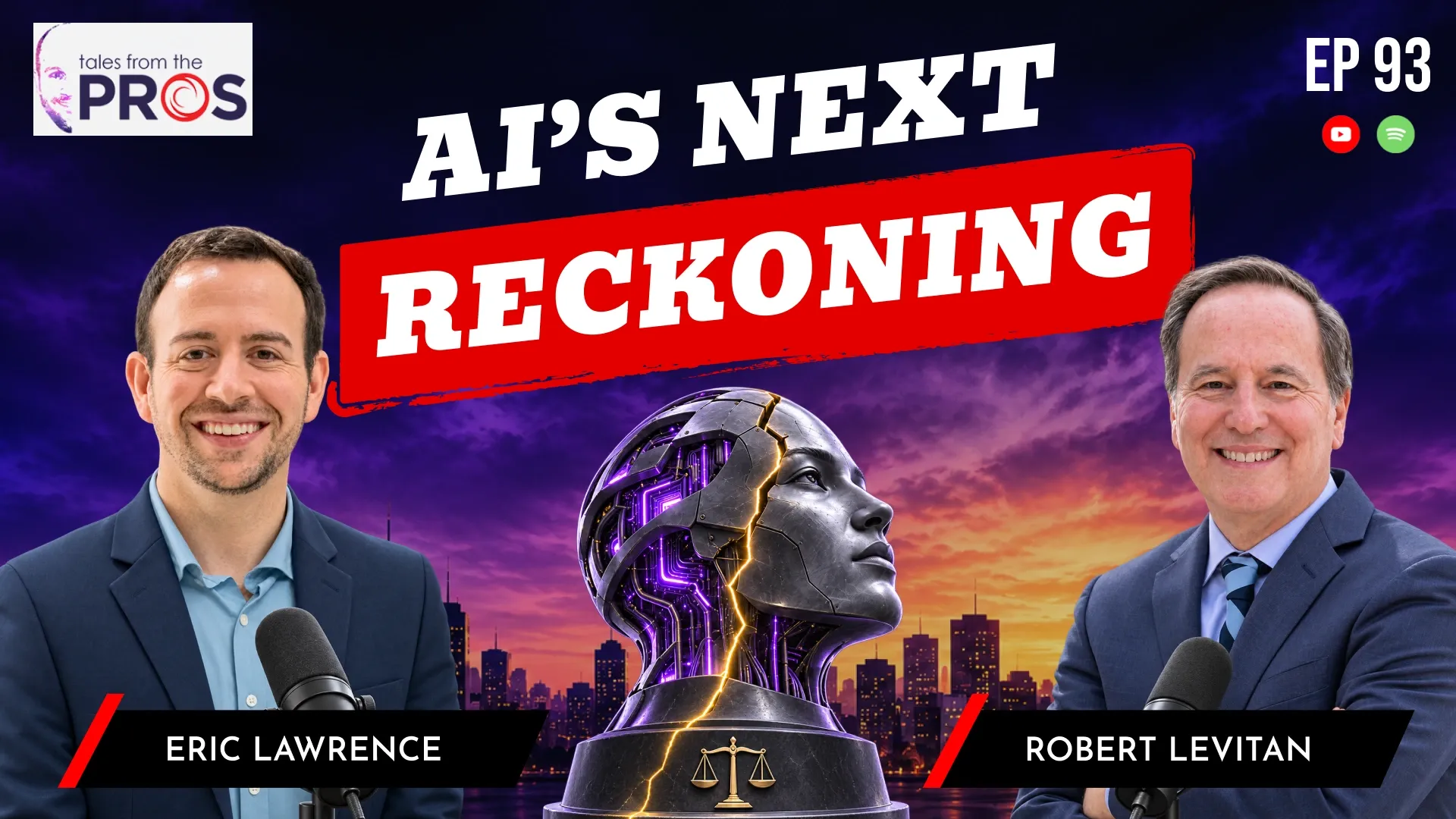
In this episode of Tales from the Pros, Eric Lawrence sits down with Robert Levitan, co-chair of the Ethical Tech Project and a serial entrepreneur who has founded six companies, including iVillage, to discuss why AI's biggest challenge may not be the technology itself, but what happens when something goes wrong.
Drawing on his experience building companies during the early internet era, Robert explains why he believes AI is heading toward a major moment of public accountability. He shares a powerful historical parallel from the 1911 Triangle Shirtwaist Factory fire and what it can teach businesses about the consequences of ignoring foreseeable risks.
They also discuss the business case for responsible AI, why customer trust matters, and how companies can establish practical AI governance without slowing innovation.
If your organization is adopting AI, building AI-powered products, or deploying autonomous agents, this conversation offers a valuable perspective on managing risks before they become serious business problems.
🎯 Highlights You Won't Want to Miss
- Why Robert believes AI is approaching a major accountability moment
- What the 1911 Triangle Shirtwaist Factory fire can teach today's tech companies
- How AI failures could affect thousands of customers at once
- Why responsible AI can become a competitive advantage
- What the early internet and social media reveal about unintended consequences
- Why trustworthy data matters for AI reliability and customer confidence
- How businesses can establish AI governance beyond written policies
- What companies should do now to prepare for future AI risks
🎧 Listen and Subscribe
Spotify:
https://open.spotify.com/show/6QkUtrcNllUkqtq1fjlwnZ
Apple Podcasts:
https://podcasts.apple.com/us/podcast/tales-from-the-pros/id1371067192
YouTube:
https://www.youtube.com/@Imaginovation/podcasts
SoundCloud:
https://soundcloud.com/talesfromthepros
💡 Key Takeaways
- New technologies create unintended consequences, and AI is no exception
- Companies should anticipate potential AI failures rather than react after harm occurs
- Responsible AI practices can strengthen customer trust and business relationships
- AI governance should reflect a company's values, industry, and acceptable risk boundaries
- Reliable data and clear data provenance are essential for trustworthy AI outcomes
- Effective governance requires ongoing monitoring, not just documented policies
- Businesses need systems to detect and correct AI issues before they cause serious harm
- Companies that establish clear AI principles and guardrails now may be better positioned to manage future risks
🗂 Topics We Cover
- The coming AI accountability crisis
- Lessons from the early internet and social media
- The Triangle Shirtwaist Factory fire and AI regulation
- AI risks and unintended consequences
- Responsible AI as a competitive advantage
- Customer trust and AI adoption
- AI governance frameworks and ethical principles
- Data quality, privacy, and provenance
- AI monitoring and risk management
- Preparing businesses for AI failures
⏱️ Chapters
00:00 — Introduction
00:43 — Meet Robert Levitan and the coming AI reckoning
02:12 — Lessons from 30 years of building technology companies
04:32 — The Triangle Shirtwaist Factory fire and its warning for AI
06:51 — What a major AI failure could look like
08:22 — Why responsible AI is a competitive advantage
10:18 — Real-world examples of AI risks and safeguards
14:45 — What the early internet teaches us about regulation
20:20 — The tobacco industry parallel and tech accountability
25:58 — AI security risks and the need for safeguards
29:13 — Making the business case for responsible AI
31:55 — Why trusted data and AI governance matter
33:46 — Building an AI governance framework
35:30 — The two pillars of responsible AI
40:17 — What separates companies that survive major AI failures
44:05 — Preparing for AI's unintended consequences
46:24 — Final advice and how to connect with Robert Levitan
Latest Episodes
Why AI Projects Fail to Scale: The Data Integration Problem | Matt Soltau
 37 Minutes
 Play This Episode
Subscribe


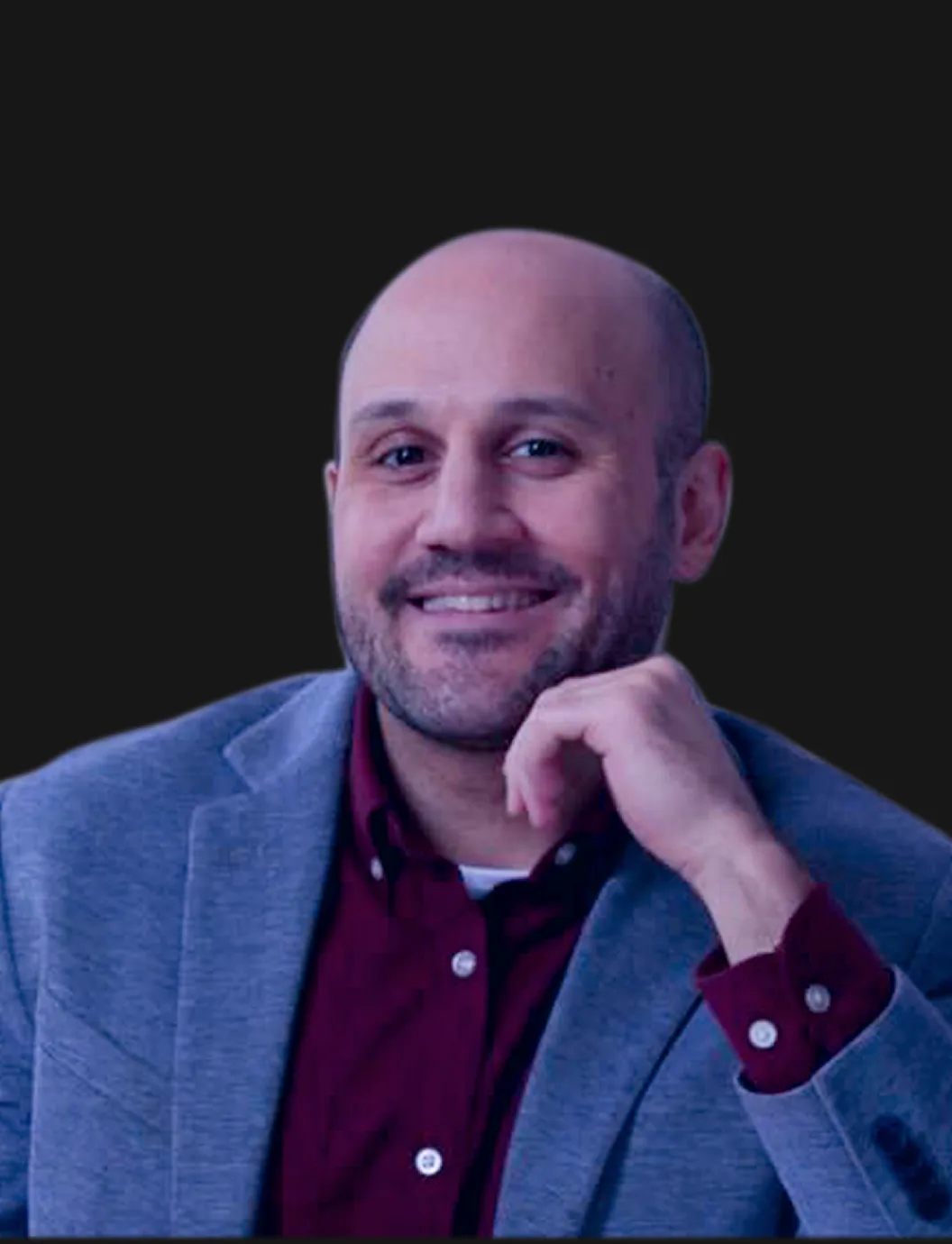
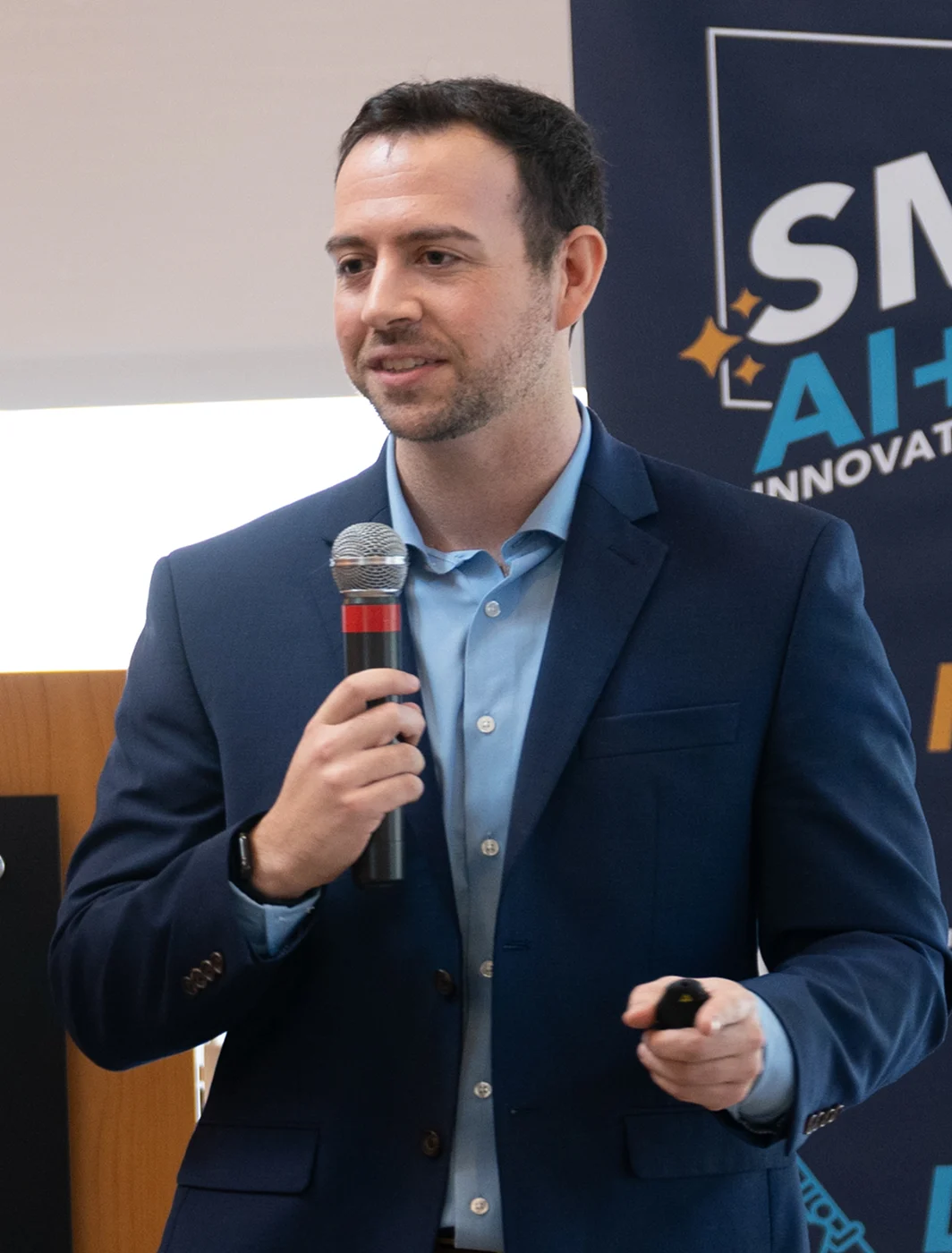
Meet The Host
Michael Georgiou is the Co-founder at Imaginovation and the podcast host of Tales from the PROS. As an entrepreneur and business leader, he is passionate about sharing stories that inspire innovation and growth.
Eric Lawrence is the Director of Growth at Imaginovation. As co-host of Tales from the PROS, he brings years of experience working directly with clients seeking software and application development solutions. His insights help businesses understand what to look for in a development partner and how to set projects up for success.


One of the best business podcasts! 🚀

I have listened to several business podcasts over the years and I have to say that Tales from the PROS is within my top three favorites. Michael does a GREAT job creating an authentic and real conversation and atmosphere with the amazing guests he has on the show. If you want to learn about the realities of business, insights on how to be successful, the power of storytelling, and how overcome the business struggles that life throws at us, then this podcast is for you. I highly recommend checking it out and be ready to learn and be inspired! 🎙🎯
Amazing insight!
Michael is a great host and I really enjoy listening in on the conversations he has with business leaders. This podcast is great for anyone wanting to borrow ideas for their own business and looking to expand professionally!
An Educational Delight
This podcast presents fascinating insight into the world of business and entrepreneurship. I am in no way, privy to these topics and have found these interviews to be incredibly educational. Michael talks with trailblazers from all walks of the business world and I am here for it!!!
Love “Tales from the PROS”!
Michael Georgiou is a thoughtful and engaging host who chooses such a fascinating group of interviewees for his podcast! All of the thought-leaders, entrepreneurs, and business pros Michael invites on are exemplary in their fields and on the vanguard. I love listening to “Tales from the Pros” for inspiration and also a well- rounded and entertaining session. I highly recommend getting hooked on this podcast!
Mr podicast
Michael’s podcast’s are amazing and very inspiring. As his best friend I’ve seen the great times and the struggles of Michael building his company. He has put sweat and blood into his company and I couldn’t be prouder of him. These podcasts are great to see and anyone would be so lucky to be on it. Mike keep grinding and you are doing amazing things in life brother!!!

Check Out More Episodes
Explore more episodes packed with practical insights, expert perspectives, and real-world lessons you can apply to your business.


Justin Miller revolutionizes the wedding photography industry
50 MinutesPlay This Episode
World renowned trance DJ, Jaytech discusses building his own musical community
1 Hour 10 MinutesPlay This Episode
Michael Brenner talks on the content marketing formula for B2B companies
1 Hour 5 MinutesPlay This Episode
Fitness social celebrity Megan Ewoldsen proves how to STRIVE for progress - not perfection
1 HourPlay This Episode